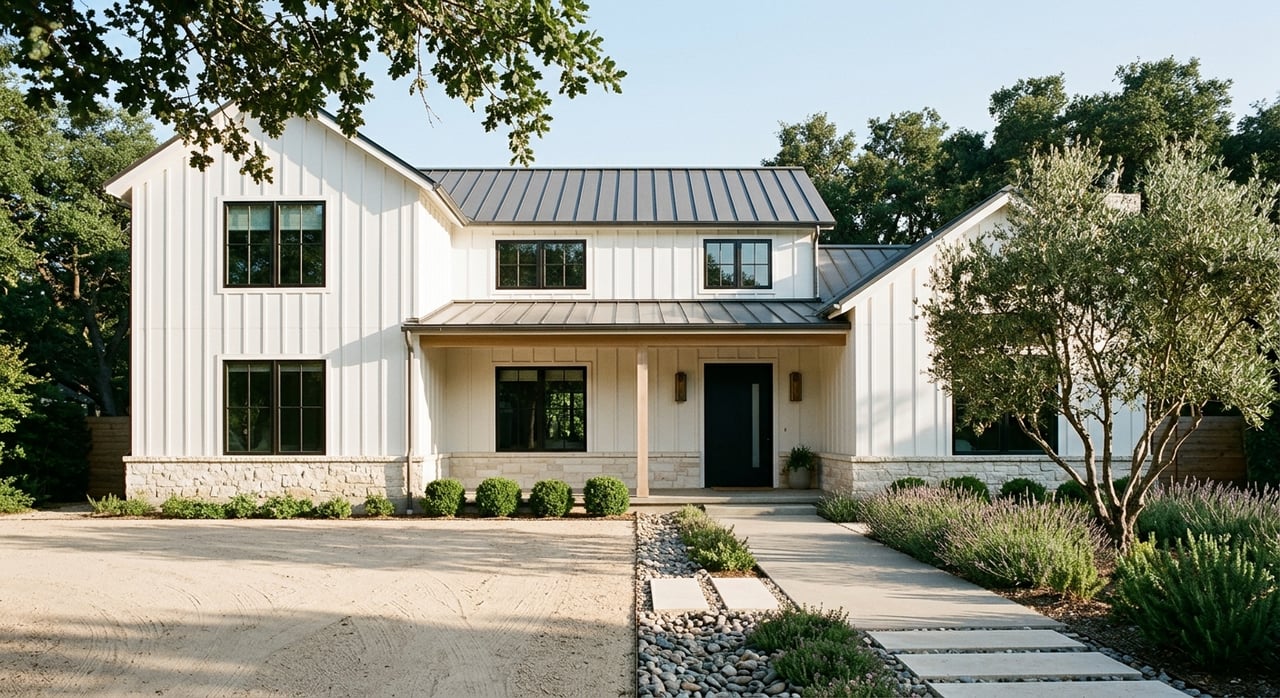
Buying a home in Healdsburg from a distance can feel like a leap. Photos look beautiful, timelines move fast, and the numbers are too big to leave anything to chance. The good news is that a remote purchase can work well when you treat it as a clear, organized process built on local guidance, careful review, and smart timing. Let’s dive in.
Start With Your Budget
Healdsburg sits in a high-price market, and public dashboards all point to the same big picture even if their numbers differ. Realtor.com reports a median listing price of $1,995,000 in 95448, Redfin shows a median sale price of $999,402 over the last three months ending May 2026, and Zillow shows a median list price of $1,706,333. Across those sources, the takeaway is simple: you need a realistic budget and room for surprises.
Your budget should cover more than the down payment. The California Department of Real Estate says buyers often need 5% to 20% down plus 3% to 7% for closing costs. Healdsburg also charges a property transfer tax of $1.10 per $1,000 of property value, including the county portion.
Property taxes can change after closing too. The California State Board of Equalization says a change in ownership or new construction can trigger supplemental assessments and supplemental tax bills that come in addition to the annual property tax bill. If you are buying from afar, it helps to assume your first escrow estimate may not tell the full story.
Build Your Local Team Early
When you cannot be in Healdsburg for every showing, your local team becomes your eyes and ears. The California Department of Real Estate recommends interviewing several agents, checking license status, and asking for references. In a remote purchase, that step matters even more because you are relying on someone else’s judgment in real time.
It also helps to understand who handles what. The California Department of Real Estate describes escrow as the neutral third party that helps make sure contract terms are met, while the title company provides insurance against unknown title defects. For an out-of-area buyer, a smooth escrow and title process is part of risk management.
California also has an important signing detail that surprises many buyers. The California Secretary of State says notarial acts still require personal appearance before a notary, so remote online notarization is not currently available in the way many people expect. That means you should plan ahead for a mobile notary, a local signing appointment, or a carefully timed trip.
Use a Clear Remote Touring Process
A remote home search works best when you do not rely on listing photos alone. A strong process is to start with a live video tour, then review disclosures, inspection findings, permit history, and utility information right away while your questions are still fresh. That keeps the home from feeling like a guess.
This approach is especially important in a market where timing matters. Realtor.com reports 188 homes for sale in 95448 and a median 44 days on market, while Redfin reports 40 median days on market. You may not need to rush blindly, but you do need fast access to facts so you can decide with confidence.
During video tours, ask your agent to show the details that polished photos often miss. That can include street noise, lot slope, natural light at different times of day, window and door condition, storage, transitions between interior and outdoor spaces, and any signs of wear around kitchens, baths, and major systems. A careful walk-through often tells you much more than a highlight reel.
Review Disclosures Carefully
In California, disclosures are not optional background reading. State law requires seller disclosures for most single-family residential transfers, and the transfer disclosure statement cannot be waived, even in an as-is sale. If required disclosures are delivered late after your offer is accepted, you also get a short statutory window to terminate.
For a remote buyer, that disclosure package does a lot of heavy lifting. It can help you understand the property’s known condition, past issues, repairs, and other details that you might otherwise try to gather in person. This is one of the most important parts of your due diligence file.
If the home was built before 1978, there is another layer to review. Federal lead-based paint rules require sellers and agents to disclose known lead-based paint information, provide available records, give the buyer the lead information pamphlet, and allow a 10-day period for a paint inspection or risk assessment unless that period is changed by agreement. In older Healdsburg homes, that paperwork deserves close attention.
Protect Yourself With Contingencies
A clean, competitive offer still needs to protect you. The California Department of Real Estate says offers should include contingencies or special conditions such as loan qualification, repairs, pest control inspections, home warranty terms, and other items you want preserved in writing. For remote buyers, contingencies are one of the main tools that keep the process manageable.
That does not mean every contingency fits every situation. It does mean you should be thoughtful about what needs to stay in place until you have verified the facts that matter most to you. If you are balancing urgency with caution, this is where a calm local advisor can help you make smart tradeoffs.
Inspect Early and Know the Difference
An inspection and an appraisal serve different purposes, and both matter. The Consumer Financial Protection Bureau says you should schedule the home inspection as soon as possible, use an independent inspector who is accountable to you, and attend the inspection if possible because it is easier to understand the report and ask questions in real time.
The appraisal is different. Lenders generally require it, and if the appraised value comes in below the purchase price, you may need to renegotiate or review the valuation closely. In other words, the inspection helps you understand condition, while the appraisal helps confirm value for the lender.
If you can make only one trip to Healdsburg during the purchase, the inspection window or final walk-through is often the best use of that visit. Seeing the property at that stage gives you a better sense of condition and lets you ask direct questions when your judgment matters most.
Verify Permits and Zoning
Remote buyers should dig into property records early, especially in a market with older homes, additions, remodels, and lifestyle features like guest spaces or outdoor upgrades. Healdsburg’s Planning and Building Department says building permits and inspections can be handled online, and Sonoma County’s Accela portal supports parcel and permit lookup by address or parcel information.
That makes it easier to check whether prior work appears to have been permitted, what zoning applies, and whether an addition or remodel may need closer review. Healdsburg’s planning resources also point buyers toward zoning, historic preservation, ADUs, special plans, and other building-related information. Those details can matter a lot when you are buying from photos and reports rather than repeated in-person visits.
Check Utilities Before You Commit
Utility costs are easy to overlook when you are focused on price and location. In Healdsburg, they deserve a closer look, especially on larger homes or older properties. The city offers a request form for historic electric and water usage, which can help you estimate carrying costs before you make an offer.
Those records can do more than help with budgeting. They may also help you spot unusual consumption patterns that raise questions about irrigation demand, leaks, aging systems, or deferred maintenance. In a remote purchase, small pieces of documentation like this can add useful context.
Healdsburg also says water and wastewater rates increased on July 1, 2024 on a three-year schedule, with an average single-family home expected to see roughly a $35 monthly combined increase. That is another reason to factor utilities into your monthly ownership picture early.
Pay Attention to Fire Hazard Exposure
In Sonoma County, fire preparedness is part of real due diligence. CAL FIRE State Fire Marshal maps classify fire hazard severity zones, and the Board of Forestry says homes in State Responsibility Areas or Very High Fire Hazard Severity Zones must comply with defensible-space requirements. Healdsburg’s building code page also notes that the city uses the 2025 California Construction Codes, including the Wildland-Urban Interface Code.
For a remote buyer, this is one of the easiest issues to underestimate. A home can photograph beautifully and still require further review related to hazard zone location, defensible-space expectations, or home-hardening features. Before you rely on curb appeal, confirm what applies to the property.
Plan Your Timing Carefully
Remote buying does not remove the need for good timing. It just changes where you place your energy. Instead of making multiple casual visits, you will usually get better results by planning key moments well: live tours, disclosure review, inspection scheduling, permit research, and signing logistics.
A practical timeline often looks like this:
- Set your full budget, including closing costs, transfer tax, and possible supplemental tax bills.
- Choose your agent, lender, escrow contacts, and title path early.
- Use live video tours to narrow options.
- Review disclosures, permit history, and utility records quickly.
- Schedule inspections right away.
- Plan an in-person trip around the inspection window or final walk-through if possible.
- Prepare in advance for California’s in-person notarization requirement.
Why Local Guidance Matters
When you are buying from afar, the goal is not to eliminate every unknown. The goal is to make the unknowns smaller, clearer, and easier to manage. In Healdsburg, that means pairing good judgment with documentation: disclosures, inspections, permits, utility history, tax awareness, and hazard review.
That is also where local experience becomes especially valuable. A calm advisor with deep knowledge of Healdsburg can help you move beyond the listing presentation and focus on how a home actually lives, what questions to ask, and when to slow down for a closer look. If you are planning a move to wine country from the Bay Area or beyond, that steady support can make the process feel much more grounded.
If you are considering a remote home purchase in Healdsburg, Sue Winton offers the kind of local, detail-oriented guidance that can help you move forward with more clarity and confidence.
FAQs
How do I buy a Healdsburg home from another city or state?
- Start with a realistic budget, build your local team early, use live video tours, review disclosures and permit history carefully, schedule inspections quickly, and plan ahead for California’s in-person notarization requirement.
What closing costs should I expect when buying in Healdsburg?
- The California Department of Real Estate says buyers often need 5% to 20% down plus 3% to 7% for closing costs, and Healdsburg also charges a property transfer tax of $1.10 per $1,000 of property value.
Can I sign all home purchase documents online in California?
- No. The California Secretary of State says notarial acts still require personal appearance before a notary, so you should plan for an in-person signing step.
What should I check during remote due diligence on a Healdsburg property?
- Focus on seller disclosures, inspection results, appraisal, permit history, zoning, historic utility usage, and fire hazard exposure before you move forward.
Why are permits important when buying a Healdsburg home remotely?
- Permit history can help you confirm whether additions, remodels, or other work appear to have been properly documented, which is especially important when you cannot inspect a property in person multiple times.
Do fire hazard zones matter when buying in Healdsburg?
- Yes. CAL FIRE maps and local code requirements can affect defensible space, home-hardening expectations, and your understanding of the property beyond what you see in photos.